Our Roofing Works

We do not compromise safety or quality for our roofing service. Any roofing material, anytime, we’ve got your back.

Austin roofing project
Austin Commercial Roofing
Commercial-Roofing-Austin
ATX Commercial Roofing Pros - complete roof
Austin Commercial Roofing Contractor
Roofer on side of building
Austin lakeway roofing crew #2
Austin roofing crew
commercial roofing in Austin
half way done commercial roofing in Austin texas
roofing company in Austin
Austin Commercial Roofing experts
// Completed work

Austin roofing projects

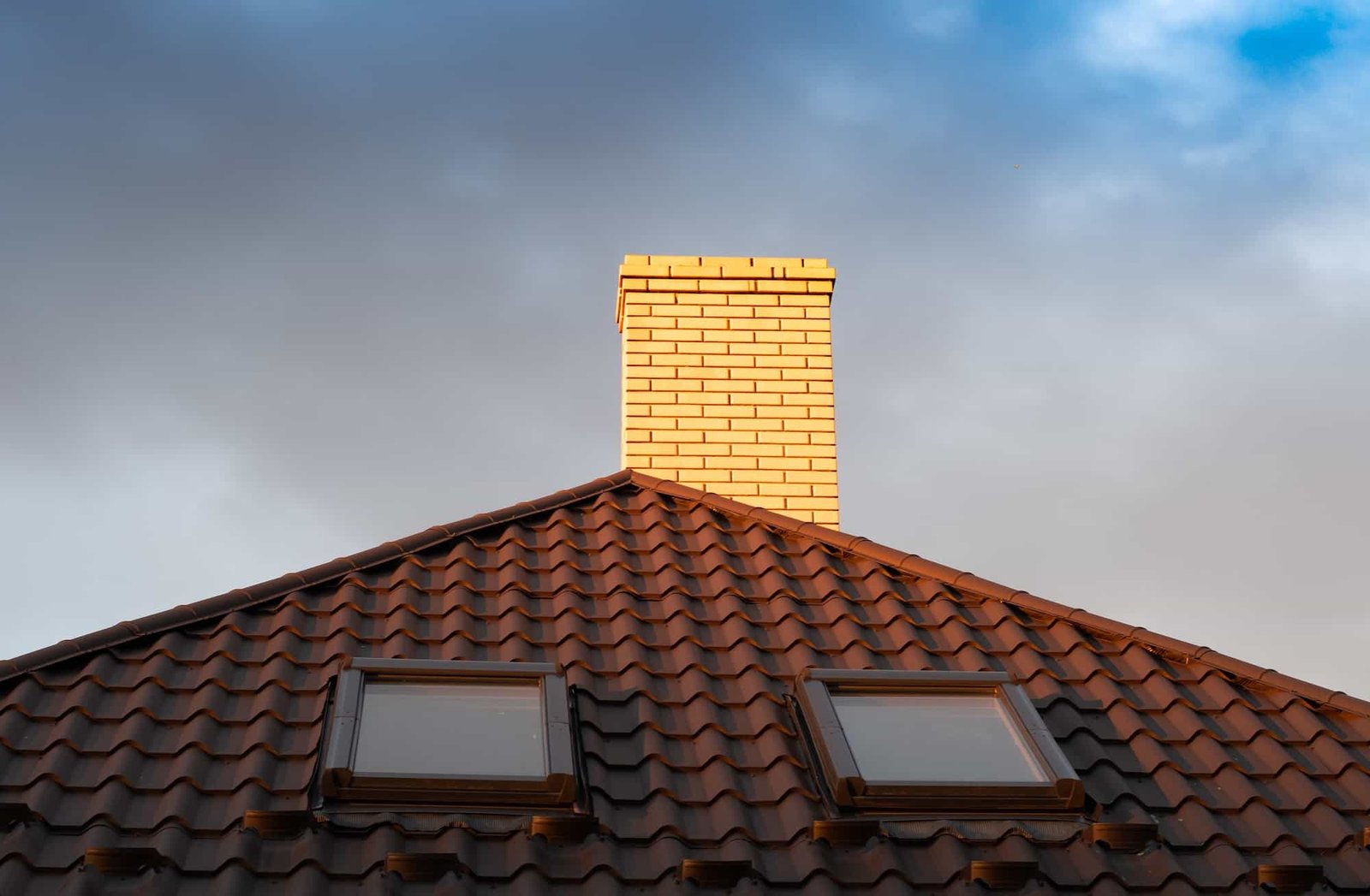
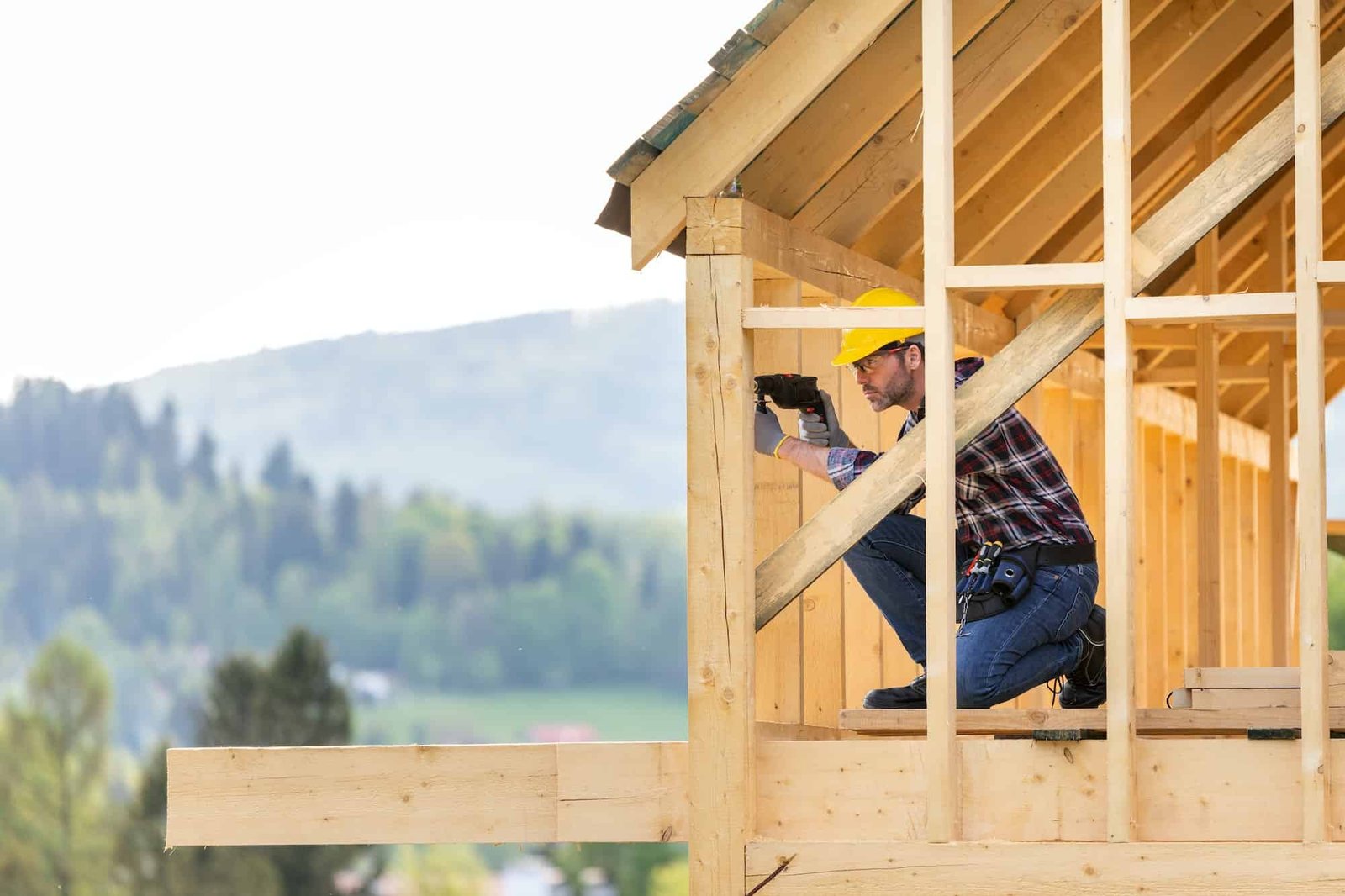
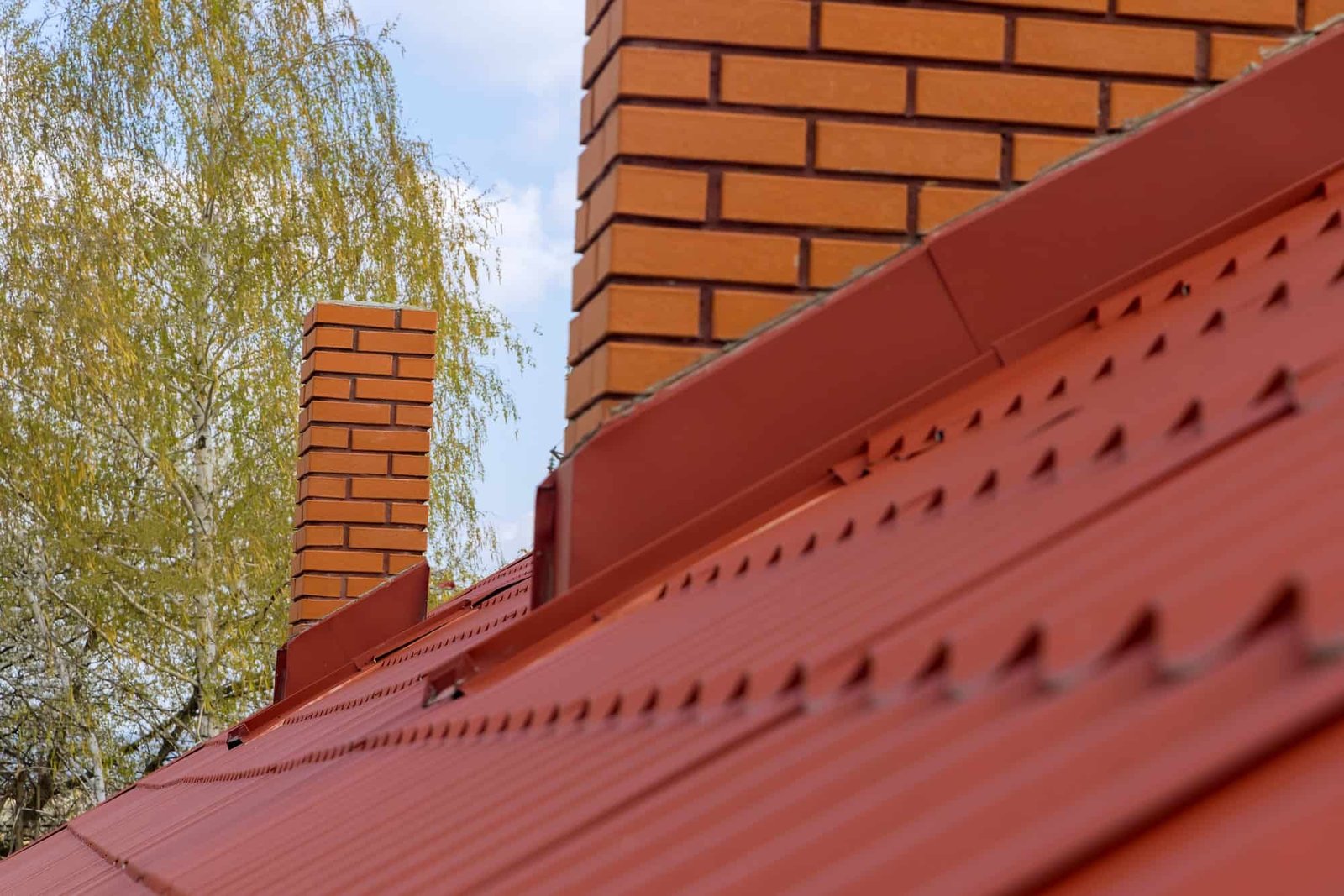
These Austin roofing projects are documented in sequence — the deck once the old covering comes off, the flashing and edge metal before anything covers them, and the finished roof from overhead. Most roofing galleries show you only the last of those three, which is the one that proves the least.

Every job below is a steep-slope residential replacement. Our commercial roofing work across Austin — membrane systems, tapered insulation, drainage corrections and metal on low-slope decks — is documented separately, because a shingle hip roof and a 40,000 square foot TPO deck have almost nothing in common beyond the word “roof.”

2008In business since
500+Properties served
2 HREmergency response
20 YRWarranties available
// Project gallery

Twelve projects, three phases

Filter by phase. The tear-off photographs are here deliberately: the deck is the part of a roof that decides whether the covering lasts, and it is also the part every gallery leaves out because it is not pretty.

Showing all 12 projects

// The line item that moves the number

Why the deck decides your price

Three of the photographs above are of bare decking, and they are the most useful images on this page. Here is the reason: nobody can see the deck until the old covering is off, so every replacement quote contains an assumption about it — and the quotes that come back cheapest are usually the ones that assumed the deck is fine.

A deck repair allowance is a stated quantity of sheathing replacement included in the price, with a per-sheet rate for anything beyond it. A quote with that line is telling you what happens if there is rot. A quote without it is not cheaper; it is just deferring the conversation to the day the crew is on your roof and the old shingles are already in the trailer. That is the worst possible moment to negotiate.

Ask every bidder the same question: how many sheets of decking are in this number, and what does each additional sheet cost? Two contractors who both answer clearly can be compared. One who has not thought about it cannot.

One thing to know before any insurance work in Texas

A contractor cannot pay, waive, rebate or absorb your insurance deductible. Where it happens, the mechanism is normally an inflated invoice to the carrier — and that puts a false claim in the property owner’s name, not the contractor’s. If anyone offers to cover your deductible, that is the moment to end the conversation. This is general information, not legal advice.

// Video walkthroughs

Five roofs, on video

Photographs are chosen. Video is harder to curate, which is most of the point — a continuous pass across a roof shows the parts a photographer would have framed out.

Inspection

A slope marked up during inspection

Chalk marks across the field where individual damaged shingles were identified and recorded. This is what documentation looks like before any claim conversation happens: findings marked on the roof, photographed in place and counted — not described from memory afterwards.

  • ShowsMarked findings on the slope, mid-inspection
  • Why it mattersA marked and dated roof is evidence; a verbal summary is not
Mid-install

Underlayment down, before the shingle

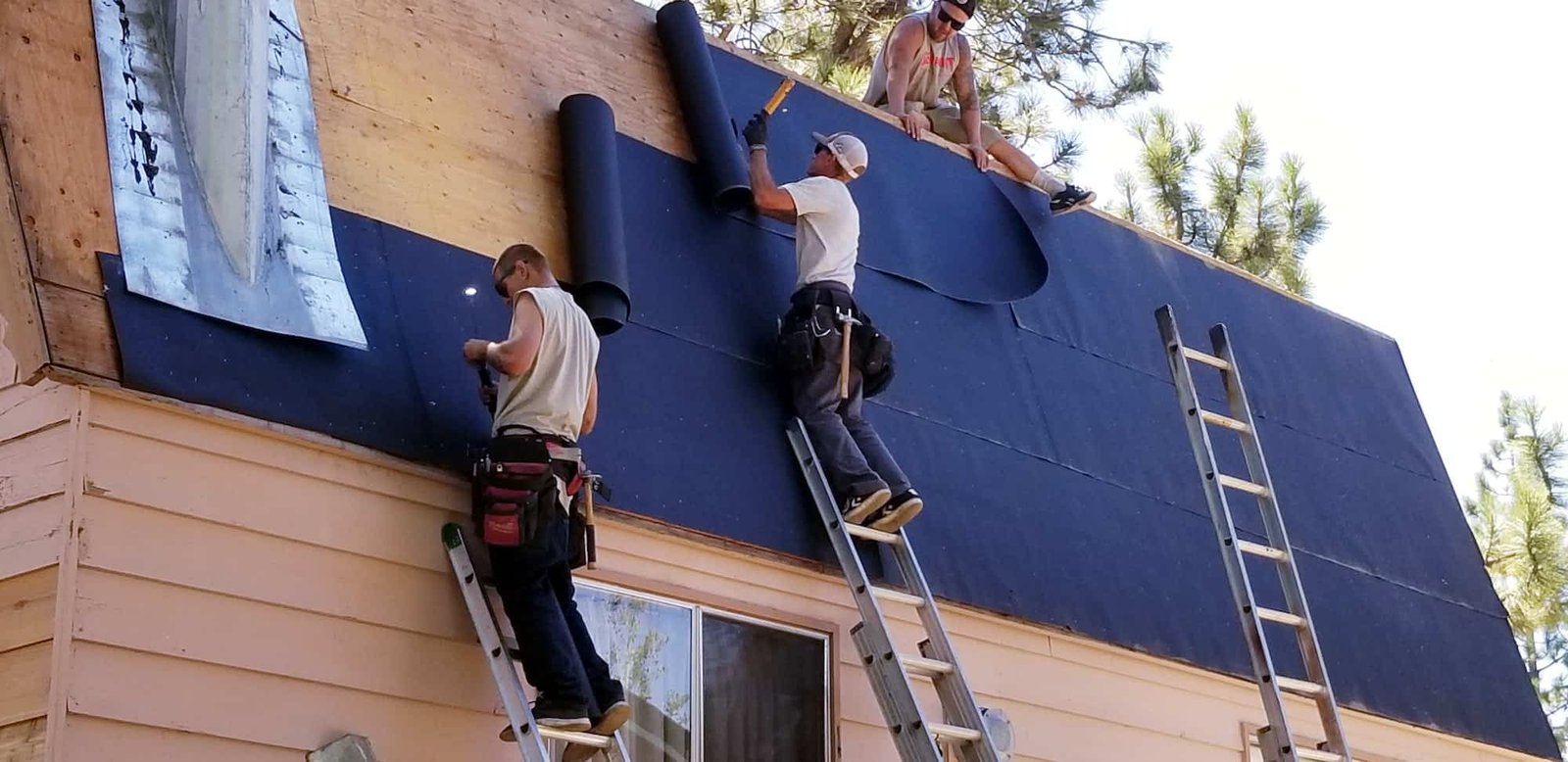
Synthetic underlayment run across the deck with the first courses going on. This layer is invisible the moment the roof is finished, which is why it is worth seeing now — and worth naming as a specific product on your scope of work rather than left as “underlayment.”

  • ShowsSynthetic underlayment, dried-in deck, courses starting
  • Why it mattersEvery day of an open roof should end dried in, not tarped and hoped over
Completed

Finished roof, hip and ridge pass

A continuous pass across the hips, ridges and valleys of a completed shingle roof. Watch the cap line rather than the field — the field is machine-uniform by design, and the caps are where a human either took the time or did not.

  • ShowsCompleted hips, ridge caps, valley cuts
  • Why it mattersCaps and valleys are where workmanship is visible to a non-roofer
Full walkthrough

Full roof walkthrough

The longest clip here, and the least edited. It moves across planes, over a ridge, past penetrations and down a valley in one take. If you only watch one of these, watch this one, because a single continuous shot is the hardest kind of footage to hide anything in.

  • ShowsMultiple planes, ridge crossing, penetrations, valley
  • Why it mattersOne take, no cuts — nothing framed out
Aerial

Aerial pass over a finished replacement

Twenty seconds over a completed roof from above. The three things that fail first on a steep-slope roof are valleys, penetrations and the ridge, and you cannot see any of them from the ground — which is the entire reason this footage exists and the reason a roof gets walked before it gets quoted.

  • ShowsWhole-roof geometry from overhead
  • Why it mattersThe overhead view is the only one that shows every plane at once

Documentation like this is the output of an inspection, not a marketing exercise. How the visit works is on the Commercial roof inspection Austin page; what the resulting paperwork should contain is on the Austin roof estimate page. For commercial roofing and reroofing in Austin rather than steep-slope residential work, the membrane and low-slope pages carry that side of the portfolio.

// Buyer’s guide

How to read a roofing project photo

Every roofing company on the internet has a gallery, and almost all of them are chosen to look good rather than to prove anything. Six checks that tell you whether you are looking at documentation or decoration — apply them to this page as well as to everybody else’s.

// 01

Is there anything but finished work?

A gallery of nothing but completed roofs is a gallery of the easiest photographs to take. Tear-off, deck and flashing shots are the ones that show what was actually done.

// 02

Can you see the transitions?

Field shingle is easy. Hips, valleys, sidewalls, chimneys and pipe boots are where labour and skill actually go, and where leaks start.

// 03

Whose job is it?

Look for branded trucks, branded underlayment and logo shirts. If the branding in the photo belongs to a different company, you are looking at somebody else’s portfolio.

// 04

Is there fall protection?

Crew on a steep slope with no harness, rope or anchor tells you what the safety culture is. It also tells you who carries the risk if somebody gets hurt on your property.

// 05

Is it shot from above?

Ground-level photos hide the valleys, the ridge and every penetration. A gallery with no overhead shots is not withholding them by accident.

// 06

Does the work match your roof?

A wall of shingle houses is not evidence of membrane experience, and a wall of warehouses is not evidence they should touch your steep slope. Ask to see your system.

The check that costs nothing and settles most of it

Ask any contractor for photographs of the roof system you actually have, on a building the size of yours, taken from above — and for one photograph of a deck with the covering off. A company that does this work has both on a phone and will send them inside the hour. A company that does not will change the subject to references, and that answer is itself the answer.

// Straight talk

What a gallery still cannot tell you

Worth saying plainly, since this page is trying to sell you something. The deck and flashing photographs above go further than most galleries do — they show the substrate and the transitions before anything covered them. But there is a real limit to what any photograph proves.

It cannot show fastener pattern, nail placement or nailing zone, which is the most common installation error on a shingle roof and only shows itself years later as slipped courses. It cannot show what is under the underlayment on a roof that is already finished. It cannot show whether the ice-and-water went into every valley or only the visible ones. And it cannot show whether the schedule held, whether the site was swept each night, or what happened the first time something went wrong.

Those are answered by walking a roof, reading a line-item scope, and calling two references and asking them exactly two questions: did the schedule hold, and what happened when there was a problem. The gallery gets you to the shortlist. It should not get you to a signature.

// Where to go next

The work behind these projects

Active leak or storm damageCommercial roof repair Austin
New system on an existing buildingCommercial roof installation Austin
Before you buy anythingCommercial roof inspection Austin
Keeping a roof to its warrantyCommercial roof maintenance in Austin
Vetting who does the workCommercial roofing contractor Austin
Houses and steep slopeResidential roofing in Austin
Metal, standing seam and panelAustin TX commercial metal roofing
Composite slate and shakeSynthetic roofing in Austin
Find the right page for your situationRoofing by property type and situation
// Questions

About these projects

Why are there photographs of bare decking in a project gallery?

Because the deck is what decides whether the new covering lasts, and it is the part nobody can see until the old roof is off. A gallery of finished roofs shows you the surface on one afternoon. A photograph of replaced sheathing shows you what the crew did when they found a problem they could have covered over instead.

How much decking replacement should be in my quote?

Ask for it as a stated number: how many sheets are included, and what each additional sheet costs. The quantity varies by roof age, previous leaks and ventilation, so there is no universal figure — but a quote that names a quantity and a unit rate can be compared against another one, and a quote that stays silent on it cannot.

Why is every completed roof photographed from directly above?

Because the parts of a roof that fail first are invisible from the ground. Valleys, hip and ridge lines, sidewall flashing and pipe penetrations all read from overhead and almost none of them read from a driveway. An overhead photograph is the only view that lets somebody who is not a roofer actually check the work.

Are these residential or commercial projects?

The gallery on this page is steep-slope residential replacement work — architectural shingle and standing seam metal. Commercial membrane work, tapered insulation and low-slope metal are documented separately, because the systems, the failure modes and the buying process are genuinely different.

Can I see photographs of my own roof system before I hire anyone?

You should ask for exactly that, from everybody you get a bid from. Ask for overhead photographs of your system on a building roughly the size of yours, and one photograph of an exposed deck. A contractor who does that work has them to hand.

Does a project gallery tell me anything about price?

Very little. Pitch, access, story height, deck condition, system type and the amount of detail work move a roofing price far more than square footage does, and none of that is visible in a finished photograph. Pricing ranges and what an estimate should contain are on the estimate page.

What happens on the day the work finishes?

The roof gets photographed from overhead and obliquely, the site is cleared and magnet-swept, the warranty is registered, and the closeout file goes to the owner with the photographs and the material documentation. The dated finished-condition record is the part people appreciate two years later rather than on the day.

Does Texas license roofing contractors?

No. Texas does not issue a state roofing license, which is why a license number is not a meaningful credential here. What is worth verifying instead: manufacturer certification for the exact system being installed, a current certificate of insurance naming your property, workers’ compensation coverage, a written workmanship warranty separate from the material warranty, and references on comparable buildings.

// Next step

Have your roof looked at before you get quoted

A roof gets walked, photographed and documented before anybody puts a number on it. No obligation, and you keep the photographs whether or not you hire us — that is how Austin commercial roofing specialists should be quoting work.

Call (512) 529-2072

ATX Commercial Roofing Pros
Austin, Texas  ·  Serving Austin, Round Rock, Cedar Park and Pflugerville
(512) 529-2072  ·  atxcommercialroofingpros@gmail.com
Mon–Fri 7AM–6PM  ·  Sat 8AM–4PM  ·  Sun closed
Contact

Project photographs and video show completed and in-progress work and are provided as examples of scope and finish; they are not a representation that your roof will present the same conditions, cost or schedule. Roof systems, pitch, access and deck condition vary by building, and decking replacement quantities in particular cannot be known before tear-off. Any figures discussed elsewhere on this site are planning ranges, not quotations. Warranty terms depend on the system installed and manufacturer registration. Information about insurance claims and Texas contractor licensing is general information and not legal advice.

We’re a well established, local company - not storm chasers or some big corporation. We live in the area, are proud to be a part of the community, and love showing off our work to our friends and family. Rest assured that we take pride in taking care of our neighborhood!

Book Roofing Service

Thousands of organizations trust us


We can save you money on your next roofing project.

Let us help you! We are experts at roofing services, and we offer a full range of repair and upkeep services.

Scroll to Top